Why x402 fits trading infrastructure
Traditional payment rails were built for human shoppers, not autonomous agents. Credit card processors charge high fixed fees per transaction and require manual authorization flows that introduce unacceptable latency for algorithmic trading. When an AI agent needs to buy a high-frequency signal or access real-time liquidity data, waiting for a three-day settlement or paying a $0.50 processing fee on a $0.01 micro-transaction destroys the strategy's edge.
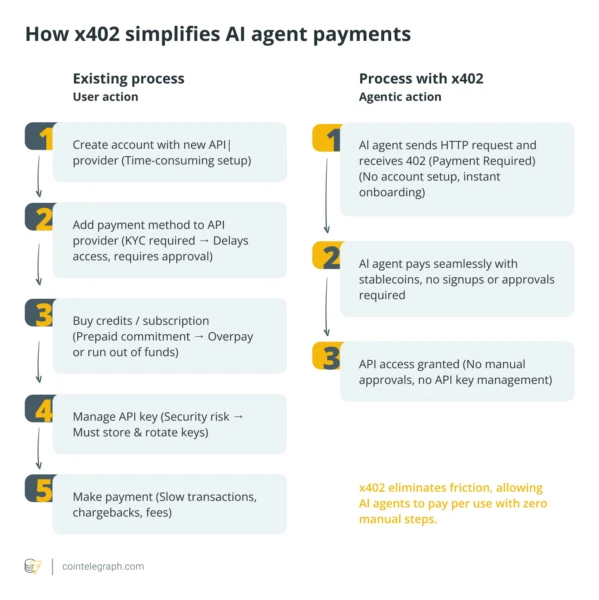
x402 solves this by introducing a standard for internet-native payments that allows direct, onchain micropayments. It enables an AI agent to pay USDC per request and immediately retrieve market data without human intervention. This removes the friction of legacy gateways, allowing for the granular, high-volume transactions that autonomous trading systems require.
The protocol is designed specifically for transactions involving autonomous AI agents, integrating risk checks and transparent payment formats across multiple chains. By standardizing how networks and assets are identified, x402 creates a neutral infrastructure where agents can pay for services seamlessly, whether on Base, Solana, or other L2s.
For traders, this means the infrastructure for AI-driven signals finally matches the speed of the market itself. Instead of negotiating API keys or managing monthly subscriptions for sporadic usage, agents can execute precise, tokenized payments at the moment of need.
How the x402 V2 protocol works
x402 V2 solves the fragmentation problem that has long plagued machine-to-machine commerce. Instead of forcing AI agents to navigate a maze of different payment gateways or hardcode logic for every new blockchain, the protocol standardizes how networks and assets are identified. This creates a single, unified payment format that works seamlessly across chains and with legacy payment rails.
The core innovation lies in its default multi-chain support. x402 V2 natively supports stablecoins and tokens across major networks like Base and Solana, as well as emerging Layer 2s. Crucially, it requires no custom integration logic from the seller. Whether your API is built on Ethereum or Solana, the protocol handles the routing and settlement in a consistent manner, reducing the friction that typically stalls automated trading workflows.
This standardization extends to how legacy APIs interact with on-chain settlements. By wrapping traditional HTTP responses with payment intents, x402 allows existing endpoints to accept crypto payments without becoming full-fledged dApps. The seller defines the price and the accepted assets in the response headers, and the buyer’s agent handles the rest. This approach bridges the gap between the old internet and the new agentic economy, allowing AI traders to execute complex, multi-chain strategies with a single, predictable interface.
By abstracting away the complexity of cross-chain transfers, x402 V2 ensures that your AI trading signals can be monetized or consumed regardless of the underlying infrastructure. The protocol acts as a neutral layer, ensuring that the payment mechanism never becomes a bottleneck for the intelligence it carries.
Integrating x402 for signal delivery
For signal providers, the x402 protocol transforms how you monetize API access. Instead of managing complex subscription billing systems or waiting for manual payouts, you can enable autonomous, on-chain payments directly within your endpoint logic. This integration allows AI agents and traders to pay for data in real time using USDC, streamlining the flow of capital from buyer to seller.
Step 1: Set up your developer environment
Before writing code, you need a wallet capable of handling USDC transactions. For most developers, the Coinbase Developer Platform (CDP) offers the most straightforward entry point. The CDP provides managed wallets and SDKs that abstract away much of the blockchain complexity, allowing you to focus on your trading logic rather than private key management.
You will also need to install the relevant x402 client libraries. These libraries handle the cryptographic signing of payment requests and the verification of on-chain receipts. Ensure your environment is configured to interact with the Base network, where x402 transactions are most commonly settled due to low fees and high speed.
Step 2: Implement the x402 endpoint logic
Your API endpoint must be modified to accept x402 payment headers. When a client, such trading agent, requests a signal, your server checks for a valid x-payments header containing the payment receipt. If the payment is verified on-chain, the endpoint returns the requested trading data. If not, it returns a 402 Payment Required status code, instructing the client to pay before proceeding.
This flow ensures that every signal request is backed by a confirmed transaction. You do not need to build a custom payment gateway; the x402 standard handles the verification process natively. This reduces the risk of chargebacks and eliminates the need for manual invoice reconciliation.
Step 3: Handle USDC transfers and facilitators
While you can receive payments directly into your wallet, many sellers use facilitators to manage the complexity of multi-chain transactions. Facilitators act as intermediaries that accept USDC on various chains and settle with you in your preferred currency or stablecoin. This is particularly useful if your signal providers operate across different blockchains, as the facilitator handles the cross-chain liquidity.
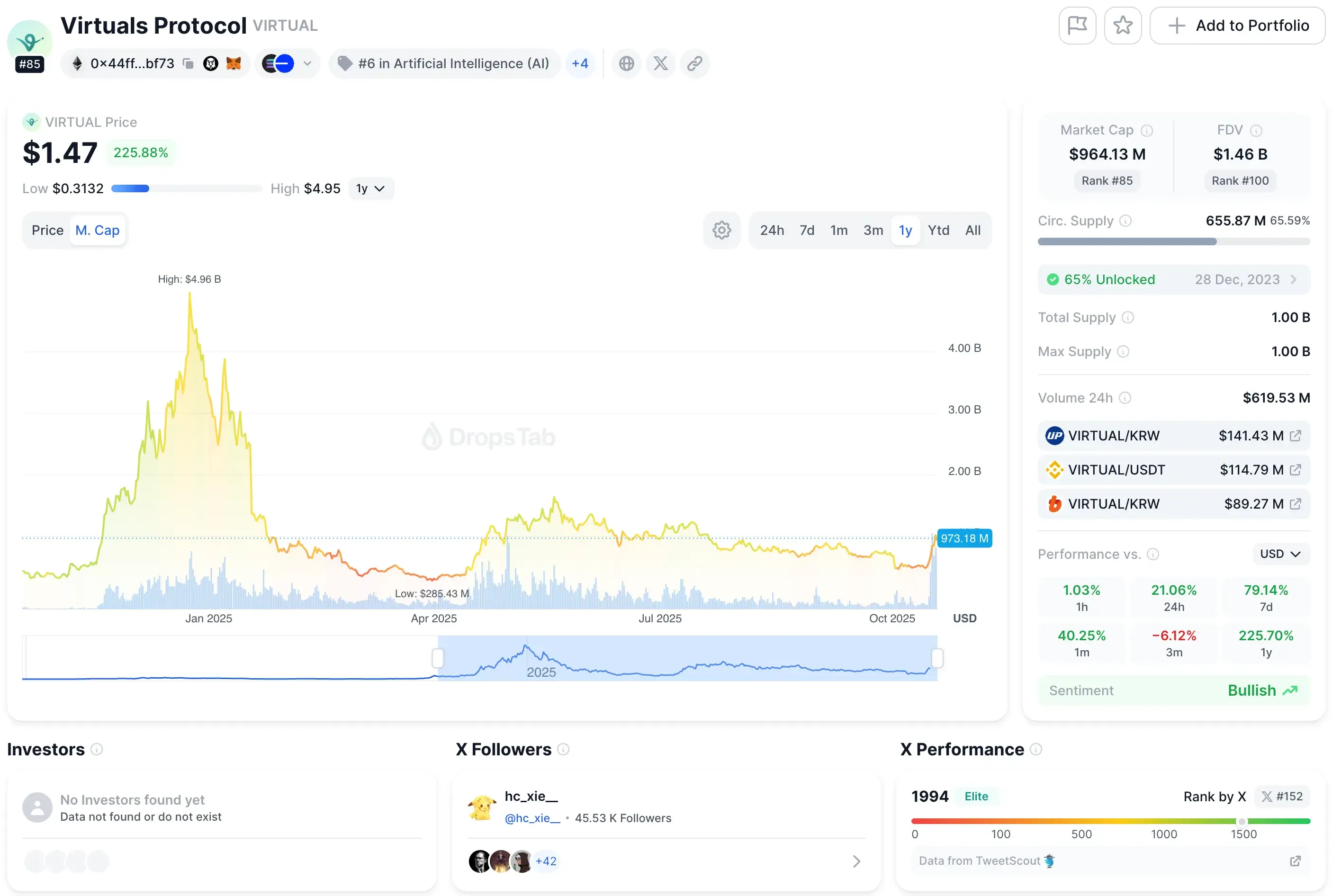
Connect your CDP wallet or self-custody wallet to the x402 network. Ensure it holds a small amount of ETH for gas fees if you are settling directly on-chain.

Modify your API response logic to check for the x-payments header. Implement verification logic that confirms the transaction hash against the blockchain state.
Use a testnet environment to simulate AI agent payments. Verify that your endpoint correctly rejects unpaid requests and serves data upon successful payment.
Step 4: Monitor and optimize revenue
Once live, you can monitor your revenue directly on-chain. Because x402 transactions are transparent, you can track the volume of signals sold and the total USDC received without relying on third-party analytics dashboards. This transparency builds trust with your buyers, who can verify that payments are going directly to your endpoint.
Consider using Circle Wallets for smoother user experiences. Circle’s integration with x402 allows users to pay with USDC while maintaining compliance and ease of use. This combination of x402’s technical standard and Circle’s wallet infrastructure creates a robust payment layer for high-frequency trading signals.
By following these steps, you can integrate x402 into your signal delivery system, enabling a new model of autonomous, pay-per-use access that scales with your user base.
Comparing x402 implementation options
When integrating x402 for AI trading signals, your choice of facilitator dictates how much boilerplate code you write and which chains you can touch. The protocol itself is agnostic, but the tools that wrap it vary significantly in scope and ease of use.
Coinbase CDP (Cloud Development Platform) offers a streamlined path for developers already in the Coinbase ecosystem. It abstracts much of the wallet management and transaction signing, allowing you to focus on the API logic rather than the payment rail. This is ideal if your primary audience trades on Base or prefers Coinbase's managed infrastructure.
For broader multi-chain support, facilitators like Eco and Allium provide more flexibility. Eco’s documentation highlights support for stablecoins across Base, Solana, and other L2s without requiring custom logic for each network. Allium similarly emphasizes an open standard that lets AI agents pay USDC per request, retrieving liquidity data without human intervention. These options are better if your trading signals need to operate across fragmented liquidity pools.
The table below breaks down the key differences in supported chains and developer experience to help you choose the right fit for your signal infrastructure.
| Facilitator | Supported Chains | Developer Experience | Best For | Best Use Case |
|---|---|---|---|---|
| Coinbase CDP | Base | Managed wallets & SDK | Simple, Coinbase-centric flows | Simple, Coinbase-centric flows |
| Eco | Base, Solana, L2s | Multi-chain by default | Cross-chain liquidity | Cross-chain liquidity |
| Allium | Multi-chain | Open standard integration | Agentic commerce at scale | Agentic commerce at scale |
If you are building for a specific exchange or chain, start with the native facilitator. If your signals need to aggregate data from multiple sources across different networks, a multi-chain facilitator like Eco or Allium will save you from writing custom bridge logic for every new chain you add.
Next steps for building agent commerce
The path from concept to a live x402 endpoint is straightforward if you follow the official documentation. Start by reviewing the Quickstart for Sellers on Coinbase Developer Documentation. This resource provides the foundational code snippets and configuration details needed to integrate payments into your existing API endpoints.
Create a dedicated crypto wallet for receiving payments. Configure your environment variables to securely store your private keys and API credentials. This step ensures that your agent commerce infrastructure is isolated and secure from day one.
Integrate the x402 middleware into your trading signal API. This middleware handles the cryptographic verification of payments and ensures that only authenticated requests trigger your trading logic. Test this integration locally before moving to production.
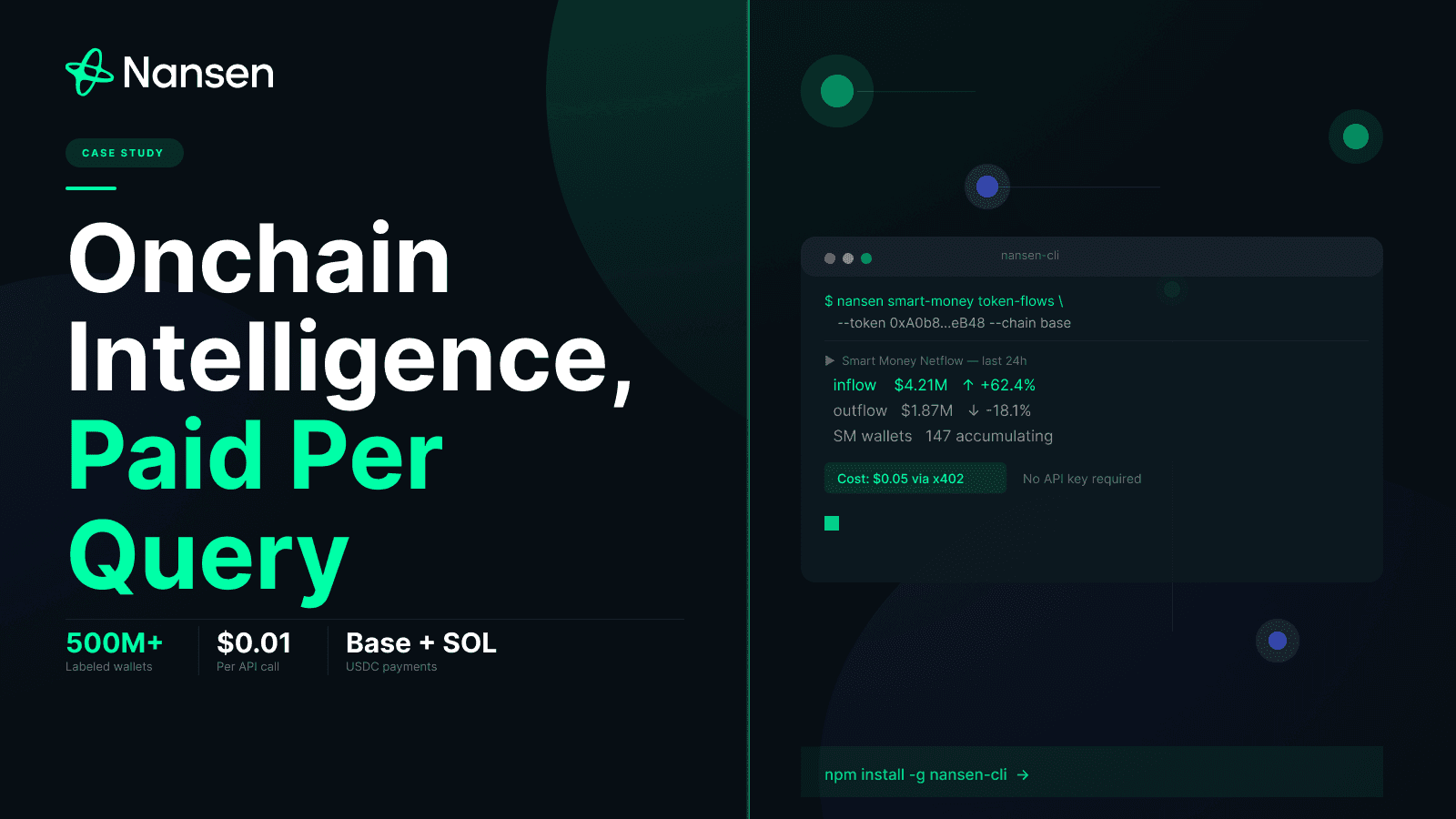
Use the x402 sandbox to simulate transactions without risking real funds. Verify that your endpoint correctly rejects unpaid requests and accepts valid payments across different chains. This testing phase is critical for ensuring reliability when your agent commerce system goes live.
Once your sandbox tests pass, you are ready to deploy. Keep an eye on the x402 V2 standard for multi-chain support and updates to the payment format. Staying aligned with the official protocol ensures your trading signals remain accessible to the widest range of AI agents.
Frequently asked questions about x402
The x402 protocol is rapidly evolving, and traders often need clarity on how it actually functions within the broader AI trading ecosystem. Below are the most common technical and structural questions developers and users ask.
For real-time context on the assets often used in these transactions, you can monitor the current market data below.
No comments yet. Be the first to share your thoughts!