Why x402 fits trading data
Traditional payment rails were built for human shoppers, not autonomous agents. When an AI model needs real-time market data, it cannot pause to swipe a credit card or wait for a three-day bank settlement. High-frequency trading relies on millisecond latency, and the friction of legacy gateways creates a bottleneck that breaks the loop between signal and execution.
x402 solves this by embedding payment logic directly into the HTTP protocol. Instead of a separate billing layer, the server returns an HTTP 402 status code with payment requirements, allowing AI agents to pay in USDC on Base instantly and retrieve data without human intervention.
This native integration removes the credit risk and latency spikes inherent in traditional merchant accounts. For AI trading agents, this means the cost of data is settled atomically with the data itself, enabling a continuous, high-velocity flow of information that legacy systems cannot support.
Setting Up an x402 Endpoint
Integrating x402 into your AI trading signal API is less about complex financial plumbing and more about HTTP behavior. The protocol relies on a simple handshake: the server returns a 402 Payment Required status, the client pays in USDC on Base, and the server retries the request with the payment proof. To make your endpoint compliant, you need to configure your server to intercept API calls and serve the correct payment instructions.
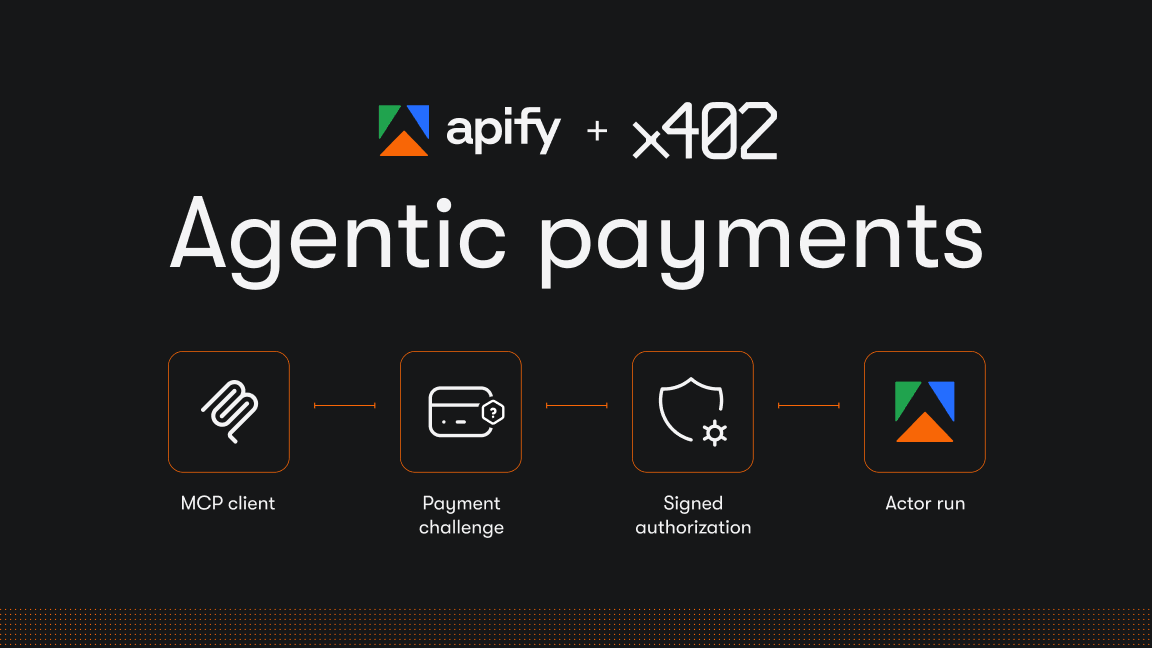
Your server must be configured to return a 402 Payment Required status code when a client requests a paid endpoint without valid payment credentials. According to the Coinbase Developer documentation, this response includes a Payment-Policy header that details the payment requirements. This header tells the AI agent exactly what to do next, including the asset type (USDC), the chain (Base), and the specific payment instructions. Without this header, the agent cannot complete the transaction.
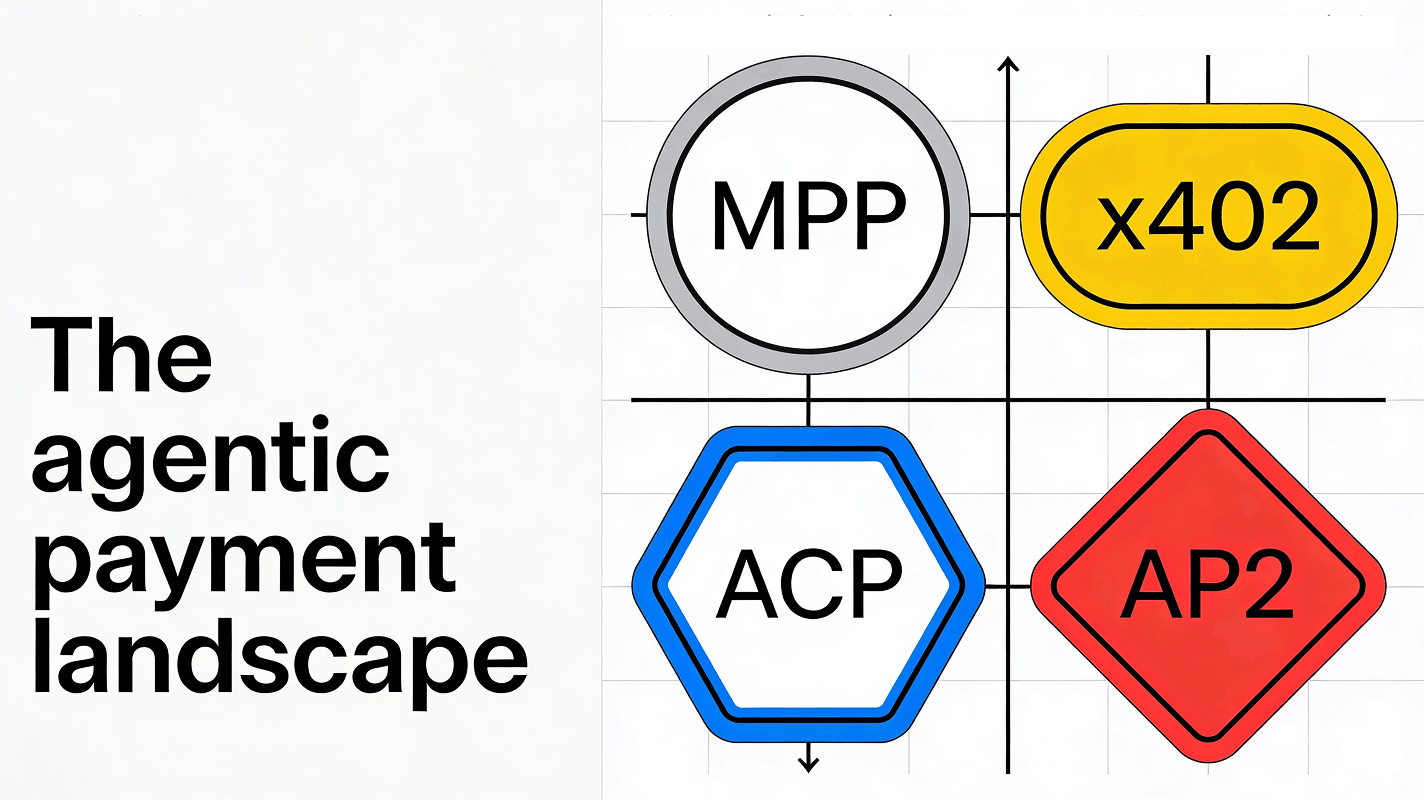
You need to define clear payment policies for your trading signals. This involves specifying the amount, the asset (usually USDC), and the chain (Base). The policy should be simple and machine-readable. For example, a policy might look like {"amount": "0.01", "asset": "USDC", "chain": "Base"}. This clarity is essential for AI agents, which operate on strict logic and cannot interpret ambiguous pricing structures.

Once a client pays, they include the payment proof in the Authorization header of their retry request. Your server must verify this proof. You can use a facilitator like Coinbase to handle the on-chain verification, or you can verify the transaction directly on the Base blockchain. The verification process ensures that the payment was actually made and that the funds are settled. This step is critical for preventing fraud and ensuring that only paying clients receive your high-value trading signals.

Before going live, test your endpoint with a simulated AI agent. Use the Coinbase Developer Platform’s testing tools to simulate the payment flow. This includes sending a request, receiving the 402 response, paying the USDC, and sending the retry request with the payment proof. Ensure that your server correctly processes the payment and returns the trading signal. This testing phase helps you catch any bugs in your payment logic or verification process.
The integration is straightforward, but the implications are significant. By adopting x402, you are enabling a new economy where AI agents can autonomously purchase high-frequency trading data. This removes the friction of traditional payment gateways and opens up your API to a global, automated market.
How the 402 Response Handles Payments
When an AI agent requests a trading signal, the endpoint doesn't immediately serve the data. Instead, it returns an HTTP 402 status code. This response acts as a digital invoice, specifying exactly what is required to access the payload. The server defines the payment terms, including the accepted currency and the exact amount due. This is the core mechanic of the x402 protocol: payment is a prerequisite for access, not an afterthought.
The system relies on stablecoins, typically USDC, to ensure predictable pricing. Because trading signals are often priced in fractions of a cent, volatile assets like Bitcoin are unsuitable for these micro-transactions. A live view of USDC helps contextualize the low-cost nature of these agent-to-agent interactions.
Once the client agent transfers the specified amount to the designated wallet address, the verification process begins. In many implementations, a facilitator or the server itself checks the blockchain for confirmation. This step is critical for security; the endpoint must verify that the transaction is final and irreversible before releasing any sensitive market data. This prevents "free riding," where agents request data without paying.
Upon successful verification, the server delivers the trading signal. The data payload is now accessible, often through a secondary HTTP 200 response or by returning the previously held resource. This seamless loop ensures that providers are compensated instantly while agents receive the high-value data they need to execute trades. The entire process happens in seconds, enabling the high-frequency, machine-driven commerce that defines AI trading ecosystems.
Scaling for real-time signals
When AI agents begin trading, the infrastructure must handle thousands of concurrent requests with sub-second precision. Unlike human traders, agents do not pause for manual verification; they execute trades based on signal latency and cost efficiency. This shift demands a payment architecture that scales without introducing friction or settlement delays that could miss market windows.
The x402 protocol addresses this by embedding payment verification directly into the HTTP response cycle. An agent calls a market data API, receives an HTTP 402 status with payment requirements, pays USDC on Base, and immediately retrieves the liquidity data. This loop removes the need for pre-funded API keys or manual invoicing, allowing agents to scale their query volume based on real-time capital availability rather than rigid subscription tiers.
To compare how these models perform under load, consider the differences between traditional API subscriptions and x402 agentic payments. Traditional models often suffer from high friction when scaling, as agents must manage credit limits and wait for billing cycles. x402 enables micro-transactions that settle instantly, reducing the barrier to entry for high-frequency signal consumption.
| Feature | Traditional API Key | x402 Agentic Payment |
|---|---|---|
| Payment Model | Pre-paid subscription | Pay-per-request (USDC) |
| Settlement Latency | T+1 to T+2 billing | Near-instant on-chain |
| Scaling Friction | High (credit limits, manual top-ups) | Low (automated micro-payments) |
| Agent Autonomy | Low (requires human oversight) | High (fully autonomous) |
| Cost Efficiency | High fixed cost, low variable | Low fixed cost, variable per call |
Settlement latency is the critical variable in high-stakes trading. If an agent pays for a signal but the blockchain confirmation takes too long, the market opportunity may vanish. x402 V2 standardizes multi-chain support, allowing agents to use stablecoins across Base, Solana, and other L2s without custom logic. This flexibility ensures that agents can choose the fastest, cheapest rail for each transaction, maintaining speed even during network congestion. The result is a system where payment is not a bottleneck, but a seamless part of the data retrieval process.
Common integration mistakes
Building an x402 endpoint for AI trading signals requires more than just returning a 402 status code. Developers often treat the protocol as a simple payment wall, ignoring the complex handshake required for machine-to-machine commerce. When an AI agent hits your endpoint, the server must return specific payment details, prompting the agent to pay in USDC and retry the request with proof of payment. Skipping these steps breaks the automated loop.
One frequent error is neglecting proper error handling. If your API fails to validate the on-chain settlement, your trading signals become accessible to anyone who can spoof a payment receipt. You must verify that the transaction is confirmed on the Base network before delivering the data. Relying on client-side proof without server-side verification exposes your service to fraud and financial loss.
Insecure payment verification is another critical pitfall. The x402 protocol standardizes how networks and assets are identified, but your implementation must strictly enforce these standards. Coinbase Developer Documentation outlines the required headers and response formats. Failing to match these specifications means AI agents cannot parse your payment requirements, leading to failed transactions and lost revenue.
To avoid these issues, treat the x402 integration as a security audit first and a revenue feature second. Ensure your verification logic is robust against replay attacks and double-spending. Only then can you reliably scale your AI trading signals for autonomous agents.
No comments yet. Be the first to share your thoughts!