Why x402 fits agent trading
Traditional payment rails are built for humans, not algorithms. When an AI model processes market data to generate a trading signal, the latency introduced by wallet approvals, gas fees, or manual transaction confirmations can render the trade useless. x402 solves this by enabling autonomous, per-request payments in stablecoins, removing the friction of wallet approvals for micro-transactions.
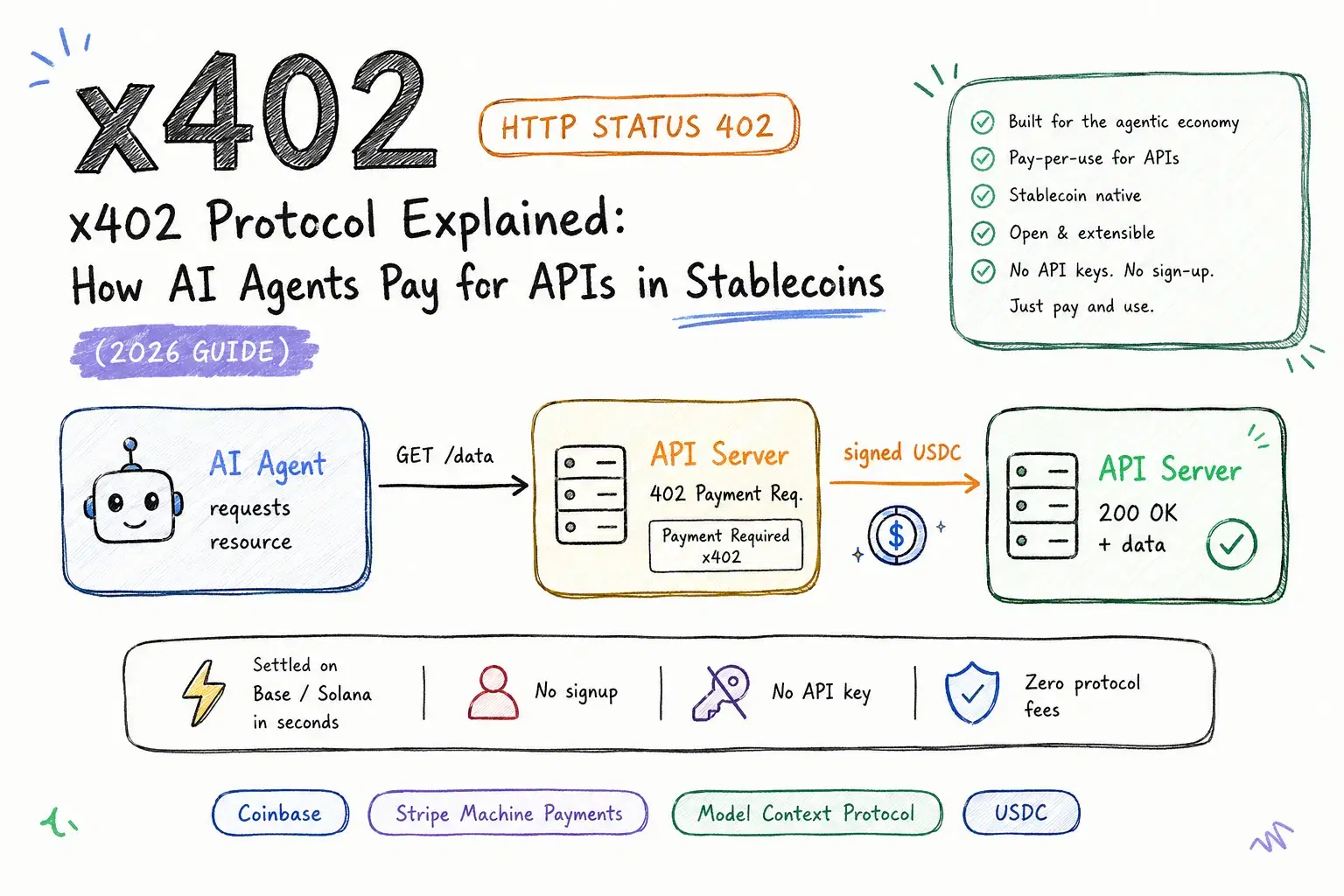
This protocol is HTTP-native, meaning an AI agent can pay for a data request or signal without an account, a human in the loop, or complex smart contract interactions. For high-frequency trading, this distinction is everything. The agent simply includes payment proof in the HTTP header, and the endpoint responds instantly with the data. This eliminates the "dead time" associated with traditional crypto transactions, ensuring the signal reaches the execution engine while the market window is still open.
The economic model also shifts in favor of the agent. Traditional API keys often require flat monthly subscriptions or expensive per-call fees that don't scale well for sporadic, high-volume signal requests. x402 allows for nanopayments in USDC, where an agent only pays for the exact millisecond of compute or data it consumes. This precision makes it viable to run thousands of lightweight signal checks per minute without incurring prohibitive overhead.
By integrating x402, you are not just adding a payment method; you are aligning the payment infrastructure with the speed of the algorithm. The x402 specification details how this HTTP-native approach standardizes agent commerce, ensuring that your trading signals remain accessible, affordable, and instant for any AI agent capable of making web requests.
Setting up the payment flow
Implementing x402 requires shifting your API architecture to handle HTTP-native payments. Instead of relying on external payment gateways or complex wallet sessions, the protocol embeds payment logic directly into the HTTP request and response cycle. This approach allows AI agents to pay for trading signals atomically, ensuring that payment and data delivery happen in a single transaction loop.
The following steps outline the technical integration required to enable x402 on your endpoint.

Your API must be configured to recognize the x-payments header. When an AI agent sends a request, it includes this header containing a signed payment authorization. Your server should parse this header to verify the sender's wallet signature and the intended payment amount before processing the request. If the header is missing or invalid, the endpoint should return a 402 Payment Required response, signaling the agent to retry with proper authorization.
Trading signals are typically priced in stablecoins to avoid volatility during the execution window. You must integrate a wallet provider capable of receiving USDC or USDT on supported chains like Base or Ethereum. The x402 protocol simplifies this by allowing the agent to include the payment intent in the initial request. Your backend validates the transaction hash or pending state, ensuring the funds are locked or received before releasing the signal data. This eliminates the need for separate checkout flows.
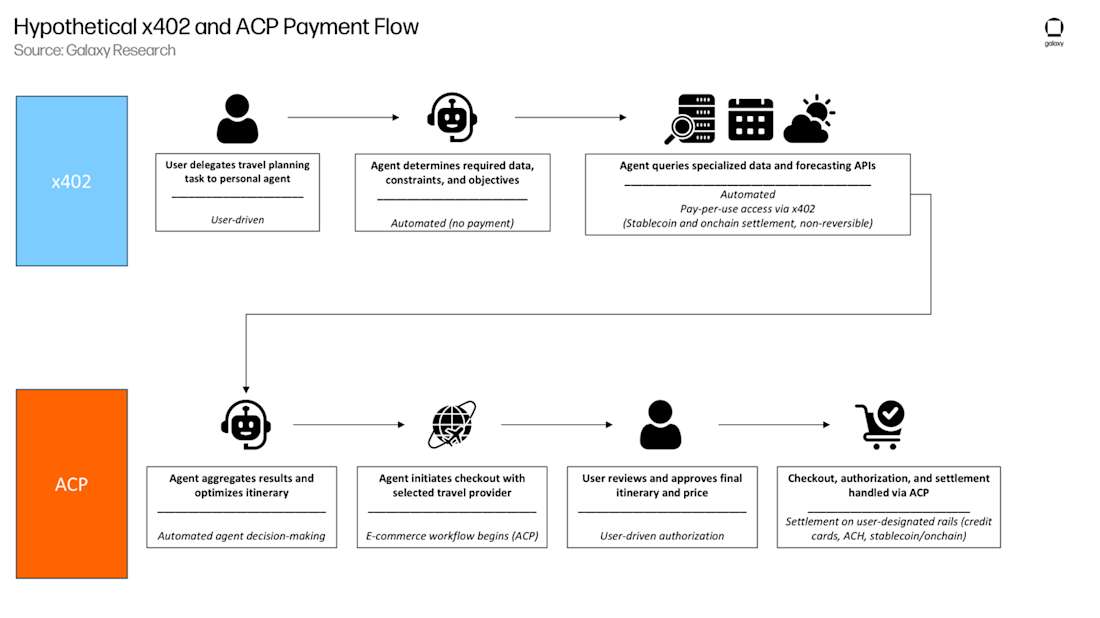
Network congestion or insufficient gas can cause payment failures. Your endpoint must implement robust retry logic. If a payment transaction is pending, return a 202 Accepted status with a x-payment-id header, allowing the agent to poll for status. If the payment fails or is rejected, return a 402 Payment Required with a clear error message. This ensures the AI agent can programmatically adjust its strategy or retry the transaction without manual intervention.
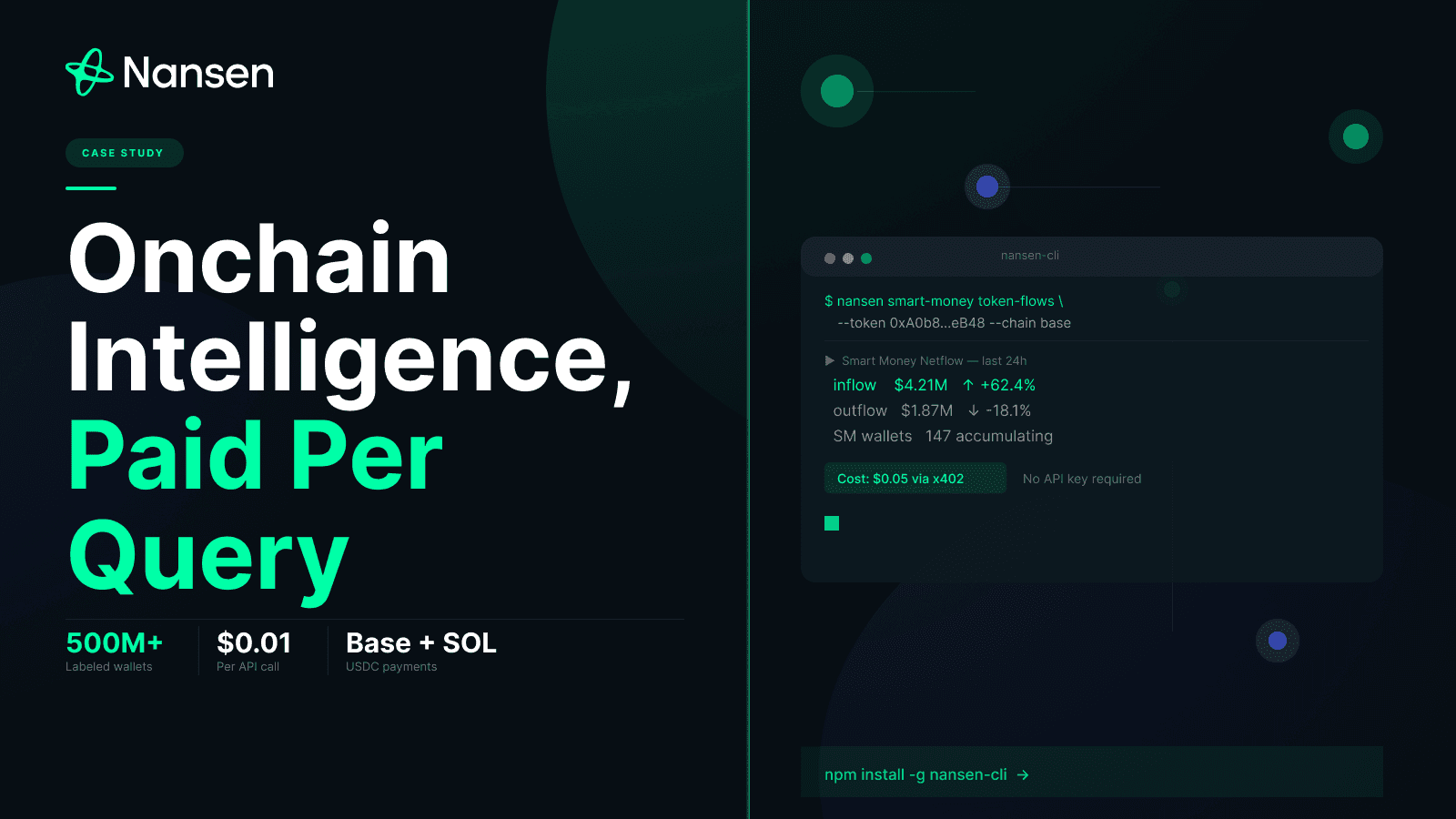
Once payment is verified, your endpoint should release the trading signal data. Ensure the response is encrypted or signed to prevent tampering. The signal payload should include the timestamp, the price data, and a digital signature from your server. This guarantees the integrity of the data, which is critical for AI agents making high-frequency trading decisions based on your input.
For a detailed technical overview of the protocol specifications, refer to the official x402 Protocol documentation. This resource provides the necessary schema definitions and chain-specific requirements for seamless integration.
Connecting trading signal APIs
Wrapping existing endpoints like DeepBlue with x402 middleware lets you monetize data without rewriting core logic. Instead of managing API keys and user accounts, the protocol handles payment verification at the request level. This approach turns a standard data feed into a self-sustaining storefront for AI agents.
The integration is straightforward: you intercept the HTTP request, verify the x402 payment header, and forward the valid request to your existing backend. If the payment fails, the middleware blocks access immediately. This ensures that only paying clients receive high-frequency trading signals, eliminating the risk of unauthorized usage.
To implement this, you need to configure your gateway to recognize x402-compliant requests. The gateway processes USDC nanopayments, allowing agents to pay per signal rather than subscribing to a monthly plan. This granularity is particularly useful for volatile markets where signal value fluctuates.
The transition from traditional access to x402 monetization shifts the burden of trust from the developer to the protocol. By leveraging official Coinbase and Circle documentation for the payment flow, you ensure that the financial layer is robust and secure. This allows you to focus on the quality of your trading algorithms rather than the infrastructure of payments.
| Feature | Traditional API Key | x402 Middleware |
|---|---|---|
| Payment Model | Monthly subscription or tiered plan | Pay-per-request via USDC |
| Access Control | Manual key management and revocation | Automated verification at gateway |
| Agent Integration | Requires complex authentication logic | Standard HTTP header compliance |
| Revenue Granularity | Bundled data access | Microtransactions per signal |
Handling settlement and latency
In AI trading, a signal is only valuable if it arrives before the market moves. Because x402 relies on on-chain settlement, you are trading off the instantaneity of traditional APIs for the trustlessness of blockchain. To make this viable for high-frequency strategies, you must manage three variables: network latency, gas fees, and settlement finality.
Start with the payment token. Most x402 integrations use USDC on L2s like Base or Arbitrum to keep costs negligible. A live price check helps you gauge the current value exposure during integration testing.
Latency is your biggest enemy. On-chain confirmations can take seconds or minutes depending on the chain. For trading signals, you cannot afford to wait for a block to be mined. You should implement a "pay-then-execute" pattern where the API call is initiated simultaneously with the transaction broadcast, rather than waiting for the transaction to settle before sending the request. This parallel processing ensures the AI agent receives the data while the payment is propagating.
Gas fees can also eat into thin margins. If you are processing thousands of signals, even a $0.02 fee adds up. Use L2s or sidechains specifically optimized for micro-transactions. Avoid mainnet Ethereum for routine signal delivery unless the data is exceptionally high-value. The x402 protocol documentation outlines supported chains, but you should test latency yourself on your target network before deploying.
Finally, handle settlement finality gracefully. Blockchain transactions can fail or be reverted. Your error handling must distinguish between a "payment pending" state and a "payment failed" state. If the transaction reverts, the AI agent should not process the signal. Implement a retry logic with exponential backoff for pending transactions, but set a hard timeout. If the signal is stale by the time the payment settles, discard it. In trading, a late signal is worse than no signal.
Common Integration Pitfalls
Building an x402 endpoint for AI trading signals requires precision. Developers often treat payments like a secondary feature, but in this protocol, the payment logic is the core contract. If the header formatting is off, the request fails before your signal even executes. The most frequent error is misconfiguring the Payment-Required header. x402 expects a specific structure: x402: <url>;<amount>;<currency>. If you omit the currency or provide an invalid endpoint URL, the consumer’s wallet rejects the transaction immediately. This isn’t a network error; it’s a schema validation failure.
Another critical oversight is ignoring retry logic for onchain transactions. Unlike traditional APIs where a 503 error might just mean a slow server, an x402 failure often means the transaction is stuck in a pending state or failed due to insufficient gas. If your endpoint doesn’t handle these states gracefully, your AI agent might retry infinitely, burning gas and confusing the consumer. Always implement a timeout and a clear error response when the blockchain transaction doesn’t confirm within a reasonable window.
Finally, don’t assume all wallets support the same payment methods. Some may require native tokens, while others need specific ERC-20 tokens. Verify the supported currencies in your initial handshake. A failed payment due to currency mismatch is a wasted API call and a frustrated developer.
Verify the Pipeline Before Live Trading
Before routing real capital or sensitive market data through your x402 endpoint, you must validate the end-to-end flow. A broken payment handshake or a latency spike in signal delivery can turn a profitable strategy into a loss generator. Treat this phase as your final security audit and performance benchmark.
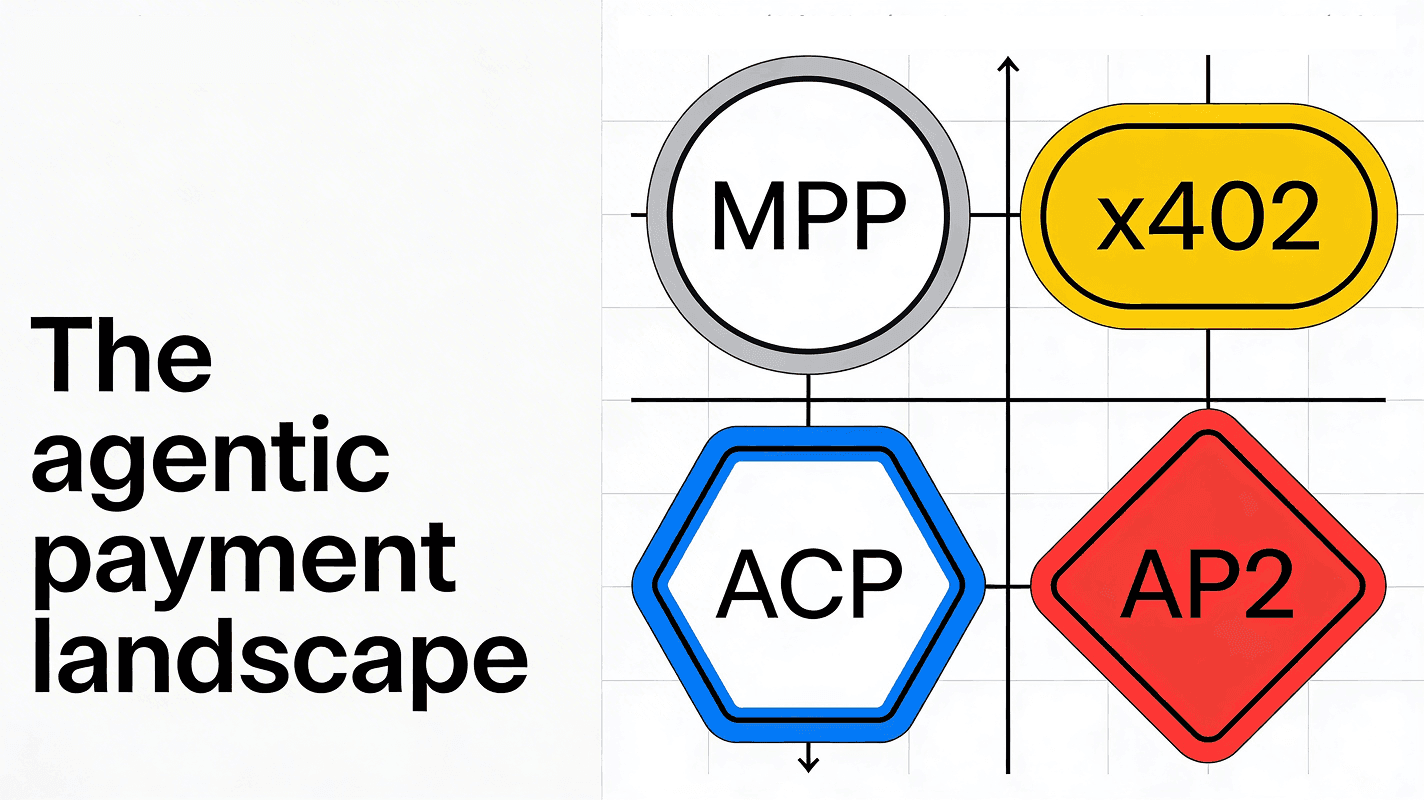
Use the x402 Bazaar to discover and test your endpoint. Ensure the x-payments header is correctly parsed and that the endpoint rejects requests without valid payment proofs. This step verifies that your AI agent can actually pay for the signal before any trade is executed.
Measure the time between payment confirmation and signal arrival. Trading signals are time-sensitive; if your pipeline adds more than a few hundred milliseconds of latency, your edge may vanish. Verify that the JSON payload matches your expected schema exactly, with no missing fields or malformed timestamps.
Define clear thresholds for failure. If the payment gateway times out three times in a row, or if the signal provider returns an error code, your agent should pause trading and alert you. This prevents runaway spending on broken endpoints or corrupted data streams during volatile market conditions.
Ensure every payment and signal delivery is logged on-chain or in your local audit trail. You need a verifiable record of which signal was purchased at what price and delivered at what time. This is critical for tax reporting and for debugging why a specific trade was executed.
No comments yet. Be the first to share your thoughts!